Skincare Guides
Night Skincare Routine: Your Skin Repairs While You Sleep
Your morning routine is about protection. Your night routine is about recovery. During the day, your skin deals with sunlight, pollution, and everything your hands touch. At night, all of that stops — and your skin gets an uninterrupted stretch of hours to rest, rehydrate, and repair.
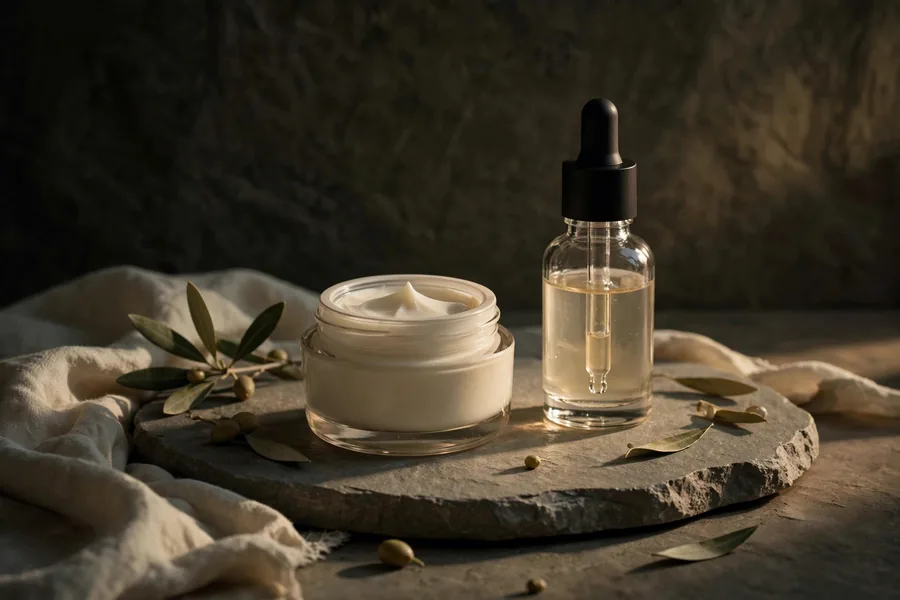
That makes your evening routine the most valuable few minutes of your skincare day. The good news? It doesn't need to be complicated. Four simple steps, about five minutes, and you're done.
If you haven't built a daytime routine yet, start with our morning skincare routine guide first — the two work as a pair.
Get the Free Night Routine Checklist
Join the launch list and we'll send the printable checklist straight to your inbox. One email per release, no spam, unsubscribe anytime.
Checklist coming soon. Our email list isn’t connected yet, so there’s no signup form here today. The printable checklist will be published on this page as soon as it’s ready — check back soon.
Why Night Is Different From Morning
A lot of beginners assume the night routine is just the morning routine repeated. It's not — the jobs are different:
- No sun to defend against. Sunscreen, the most important morning step, isn't needed at night. That frees up space for different ingredients.
- Stronger ingredients belong here. Retinoids and exfoliating acids are typically used in the evening, partly because sunlight can make skin more sensitive to some of them and may reduce their effectiveness.
- Removal is the priority. Everything you layered on in the morning — sunscreen, makeup, plus the day's oil and buildup — needs to come off properly before anything else can work well.
- Undisturbed hours. Once your products are on, they stay on. No makeup over the top, no touching your face all day, no reapplying. Your skin gets hours of quiet contact with your routine.
In short: morning protects, night repairs. Both matter, and neither needs to be long.
The Simple PM Routine
Four steps. That's the whole routine. You can add more later if you want to — but this foundation covers what most skin needs overnight.
Step 1 — First Cleanse: Remove the Day
What it does: Dissolves sunscreen, makeup, and excess oil — the things a regular water-based cleanser can struggle to lift on its own.
What to use: An oil-based cleanser or cleansing balm. These are designed to melt through oil-based buildup (and yes, oil dissolves oil — that's the whole idea).
How to do it: Massage over dry skin for 30–60 seconds, then rinse with lukewarm water. Take a moment here; rushing the first cleanse is one of the most common reasons people feel their routine "isn't working."
Do you need this step? If you wore sunscreen or makeup during the day — which most people aiming for healthy skin do — yes. If your day was genuinely bare-faced with no SPF, a single cleanse may be enough.
This two-part washing method is often called double cleansing, and despite the name, it's simply cleansing twice with two different types of cleanser.
Step 2 — Second Cleanse: The Gentle Wash
What it does: A water-based cleanser removes whatever the first cleanse left behind — sweat, residue, and water-soluble buildup — so your skin is truly clean.
What to use: A gentle, low-foam cleanser suited to your skin type. It should not sting, and your skin should not feel tight or "squeaky" afterward. That tight feeling isn't cleanliness — it's a sign the cleanser is too harsh for you.
How to do it: Lukewarm water (never hot), gentle circles for about 30 seconds, rinse well.
Step 3 — Treat: This Step Is Optional at First
What it does: "Treat" products — usually serums — target specific concerns like dullness, uneven tone, or dehydration.
Beginner framing: If you're new to skincare, you can skip this step entirely for your first few weeks. A cleanse + moisturize routine done consistently will do more for your skin than a complicated routine done sporadically.
When you're ready, start gentle: - Hydrating serums (for example, hyaluronic acid formulas) suit most beginners — they add lightweight moisture without much irritation risk. - Niacinamide is another beginner-friendly option many people tolerate well; it's often used for the look of pores and uneven tone.
Stronger actives — retinoids and exfoliating acids — also live in this step, but they deserve their own section. Read on before adding them.
Want to understand what each ingredient actually does? Our skincare ingredients guides explain them in plain language.
Step 4 — Moisturize: Lock It In
What it does: Seals in the hydration from your previous steps and supports your skin barrier while you sleep. Everything you applied underneath works better when it's not evaporating off your face.
What to use: Pick a texture that matches your skin: - Dry skin often prefers richer creams. - Oily skin often does well with lightweight gel or lotion textures — and yes, oily skin still needs moisturizer. Skipping it can leave skin feeling tight without making it any less oily.
Optional extra — an occlusive layer: Some people finish with a thin layer of a heavier balm or petrolatum-based product to "seal" everything in overnight (sometimes called slugging). It can suit very dry skin, but it's optional, not required — and it may not suit breakout-prone skin.
Get the Free Night Routine Checklist
Join the launch list and we'll send the printable checklist straight to your inbox. One email per release, no spam, unsubscribe anytime.
Checklist coming soon. Our email list isn’t connected yet, so there’s no signup form here today. The printable checklist will be published on this page as soon as it’s ready — check back soon.
Actives at Night: Retinol & Exfoliants, Explained for Beginners
Once your basic four-step routine feels easy and consistent — give it at least a few weeks — you might wonder about the "active" ingredients everyone talks about. Here's the calm, beginner-safe version. If you haven't built a basic routine yet, start with our skincare for beginners guide first.
What they are: - Retinoids (including retinol) are vitamin A derivatives. They're among the most studied ingredients in skincare and are often used in the evening for concerns like fine lines and uneven texture. - Exfoliating acids (AHAs like glycolic acid, BHAs like salicylic acid) help loosen dead skin cells from the surface, which can improve the look of dullness and clogged pores.
The start-slow rules (these matter more than which product you pick):
- One new active at a time. Never introduce retinol and an exfoliating acid in the same week.
- Start 1–2 nights per week. Build frequency gradually over weeks, only if your skin stays comfortable.
- Pea-sized amount. More product doesn't mean faster results — it usually means more irritation.
- Patch-test first. Apply a small amount somewhere discreet (like behind the ear or along the jawline) and wait 24 hours before full-face use.
- Buffer if needed. Applying moisturizer first, then the active, can soften the intensity for sensitive beginners.
- Don't combine strong actives in one routine when you're starting out — for example, an exfoliating acid and a retinoid on the same night raises the chance of irritation. Alternate nights instead.
Warning signs you're overdoing it: persistent stinging, new redness that doesn't fade, flaking or peeling beyond the first mild adjustment days, or skin that suddenly reacts to products it used to tolerate. These can signal barrier disruption — the fix is to pause actives, simplify back to cleanse + moisturize, and reintroduce slowly.
Important caution: Retinoids are generally advised against during pregnancy. If you are pregnant, planning to be, or breastfeeding, talk to a clinician before using any retinoid product.
And the reassurance: You do not need actives to have a good routine. Plenty of healthy-looking skin is maintained on cleanser, moisturizer, and sunscreen alone. Actives are an optional upgrade, not a requirement.
PM Routines by Skin Type
Use these as starting templates, then adjust based on how your skin responds. Everyone's skin is a little different — these are starting points, not prescriptions.
Dry Skin
| Step | What to use |
|---|---|
| 1. First cleanse | Cleansing balm or oil cleanser |
| 2. Second cleanse | Gentle cream or milky cleanser |
| 3. Treat (optional) | Hydrating serum |
| 4. Moisturize | Rich cream; occlusive layer optional on very dry nights |
Tip: If your skin feels tight after cleansing, your cleanser is too strong — switch to something gentler before adding anything else.
Oily Skin
| Step | What to use |
|---|---|
| 1. First cleanse | Oil cleanser or cleansing balm (yes, even for oily skin) |
| 2. Second cleanse | Gentle gel or foaming cleanser |
| 3. Treat (optional) | Lightweight hydrating serum or niacinamide |
| 4. Moisturize | Lightweight gel or lotion — don't skip this step |
Tip: Over-cleansing or skipping moisturizer won't make oily skin less oily; it often leaves it dehydrated and uncomfortable. Balance beats stripping.
Sensitive Skin
| Step | What to use |
|---|---|
| 1. First cleanse | Fragrance-free cleansing balm or micellar water |
| 2. Second cleanse | Ultra-gentle, fragrance-free cleanser |
| 3. Treat | Skip until your basic routine is comfortable for weeks |
| 4. Moisturize | Simple, fragrance-free cream with barrier-supporting ingredients like ceramides |
Tip: Patch-test everything, introduce one product at a time, and give each new product at least two weeks before judging it.
Combination skin? Mix and match — for example, a richer moisturizer on dry cheeks and a lighter layer on an oilier T-zone. Your routine can be asymmetrical; your face already is.
Night Routine Mistakes That Undo Your Progress
A good night routine can be quietly undone by a few common habits:
- Sleeping in makeup or sunscreen — it sits on your skin all night, exactly when your skin is trying to recover.
- Exfoliating too often — more is not better; over-exfoliation is one of the fastest ways to damage your barrier.
- Layering multiple strong actives at once — especially when starting out.
- Skipping moisturizer because your skin is oily — hydration and oil are different things.
For the full list with fixes, see our guide to skincare mistakes to avoid.
Get the Free Night Routine Checklist
Everything on this page, condensed into a one-page printable you can stick on your bathroom mirror until the routine becomes second nature.
Join the launch list and we'll send the printable checklist straight to your inbox. One email per release, no spam, unsubscribe anytime.
Checklist coming soon. Our email list isn’t connected yet, so there’s no signup form here today. The printable checklist will be published on this page as soon as it’s ready — check back soon.
Frequently Asked Questions
Is double cleansing really necessary? It depends on your day. If you wear sunscreen or makeup, the two-step method (oil-based first, water-based second) removes them more thoroughly than a single wash. If your skin is very dry or you wore nothing on your face, one gentle cleanse may be enough.
Can I use retinol every night? Not when you're starting out. Most beginner guidance suggests starting 1–2 nights per week and increasing gradually only if your skin stays comfortable. Daily use is something some people work up to over months — it's not the starting point.
Should my night products be different from my morning products? They can overlap. Cleanser and moisturizer are often the same. The main differences: no sunscreen at night, and night is when you'd use retinoids or exfoliating acids. Our morning skincare routine guide covers the AM side.
What order do I apply my night products? Thinnest to thickest: cleanser → toner/essence (if you use one) → serum/treatment → moisturizer → occlusive (if you use one). When in doubt, water-based before oil-based.
Can I skip moisturizer if my skin is oily? It's not recommended. Oily skin still loses water overnight, and skipping moisturizer won't reduce oiliness — it may leave skin feeling tight and uncomfortable. Choose a lightweight gel or lotion texture instead.
How long should I wait between steps? Roughly 30–60 seconds — enough that the previous layer has settled and isn't sliding around. You don't need to set a timer; by the time you've capped one product and picked up the next, you're usually fine.
This content is for educational purposes only and is not medical advice. Skincare needs vary from person to person. If you have a persistent, severe, or concerning skin issue, or if you are unsure whether an ingredient is appropriate for you, consult a qualified healthcare professional or dermatologist.
Keep reading
Related guides
 Skincare Guides
Skincare for Beginners
The only 3 steps beginners need, plus a 60-second test to find your skin type.
Published guide
Read the guide Skincare Guides
Morning Skincare Routine
A simple 5-step morning routine built around one idea: protection.
Published guide
Read the guide Skincare Guides
15 Skincare Mistakes to Avoid
The most common routine mistakes — and a free printable checklist to fix them.
Published guide
Read the guide